Get Support
123-456-789-10
Steps to Build a House in Saudi Arabia
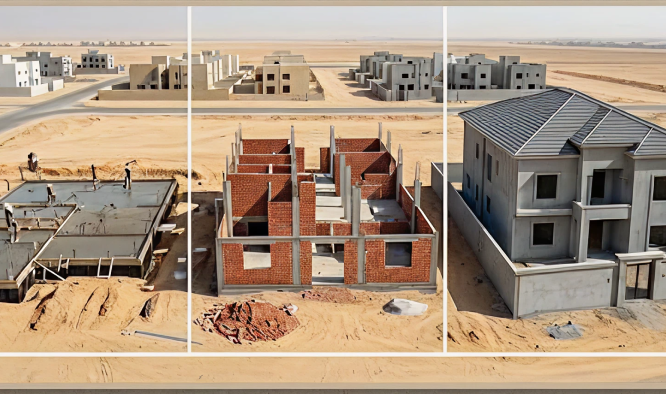
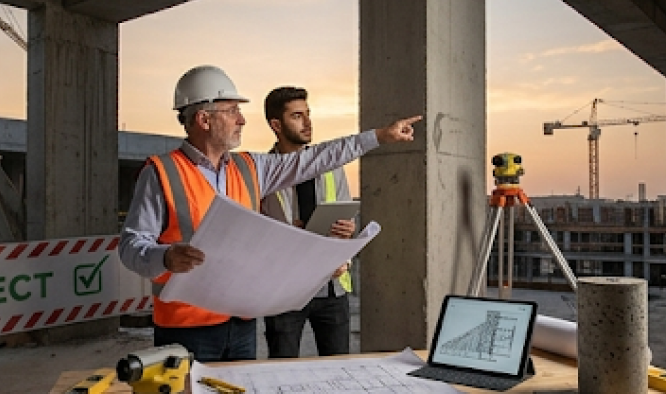
Understanding the steps to build a house in Saudi Arabia is important for anyone planning to build a new home in an organized and clear way. Construction does not start only by choosing a contractor or buying building materials. It goes through several stages, starting from defining your needs, choosing the design, obtaining permits, and then executing structural works and finishing until reaching the final handover and moving-in stage.
The clearer the construction steps are from the beginning, the easier and more stable the project becomes in terms of time, cost, and quality. Therefore, the homeowner needs to understand the main stages before starting, so they can follow up on the work better, avoid common mistakes, and choose the right parties for design, execution, and supervision.
Main Topics in This Article
- Defining the house needs before starting construction
- Choosing the right land to build the house
- Preparing the architectural and structural design
- Obtaining the required permits and approvals
- Choosing a reliable building contractor or contracting company
- Preparing the site and starting excavation works
- Executing foundations and structural works
- Electrical, plumbing, and insulation works
- Interior and exterior finishing stage
- Checking the quality of work before handover
- Common mistakes to avoid while building a house
- Why do you need a specialized party to execute your house?
1- Defining the house needs before starting construction
The first step in the steps to build a house in Saudi Arabia is to define your actual needs before starting the design or execution. You should know the number of family members, the required number of rooms, the nature of the spaces, and whether you need a separate majlis, maid’s room, annex, garden, parking spaces, or future areas that can be expanded later.
Defining your needs from the beginning helps create a practical home design that suits your daily lifestyle and reduces modifications during execution. Many problems that appear later happen because the requirements were not clear at the start, or because the design looked beautiful but was not suitable for actual daily use.
- Number of rooms: it should suit the family’s current and future needs.
- Space distribution: it helps improve daily comfort inside the house.
- Special needs: such as annexes, parking spaces, majlis areas, or outdoor spaces.
2- Choosing the right land to build the house
Choosing the land is one of the most important stages that affects the entire construction project. The location, land area, shape, facades, soil nature, and proximity to services all affect the design, cost, and execution method. Therefore, land should not be selected based on price only, but should also be evaluated from practical and engineering perspectives.
The right land helps execute a better design and reduces challenges during construction. On the other hand, land that needs special treatment or is located in a difficult site may increase the cost of excavation, backfilling, foundations, or connections. That is why it is always better to inspect the land and study its location before purchasing or starting construction.
- Location: affects comfort, accessibility, and future property value.
- Land shape: can support or limit design options.
- Soil nature: may affect the type of foundations and execution cost.
3- Preparing the architectural and structural design
After defining the needs and choosing the land, the next stage is preparing the architectural and structural design. The architectural design defines the shape of the house, room distribution, entrances, windows, facades, and interior spaces. The structural design defines how the structure will be built, including foundations, columns, slabs, and the required quantities of steel and concrete.
A good design should combine beauty, functionality, and suitable cost. A complex design may look attractive, but it can increase execution cost, while a practical and well-studied design helps reduce waste and creates a comfortable home that is easy to use.
- The architectural design defines space distribution and the overall appearance.
- The structural design defines the strength of the building and how it will be executed.
- A good design reduces modifications during construction.
- Coordination between design and budget helps create a more stable project.
4- Obtaining the required permits and approvals
One of the essential steps before starting home construction is obtaining the required permits and approvals according to the applicable regulations. Building without permits or without complying with requirements may cause delays, violations, or project stoppage. Therefore, it is important to make sure that the drawings are approved and the necessary permits are obtained before starting execution.
This stage helps ensure that the project complies with municipal and regulatory requirements, and that the design can be executed legally and in an organized way. Some requirements may vary depending on the land location, project type, and area, so it is important to work with an office or party experienced in licensing procedures.
- Drawing approval: an essential step before starting execution.
- Compliance with requirements: helps avoid violations or stoppages.
- Clear procedures: reduce delays before the construction stage.
- Working with a specialized party: helps complete requirements faster and more efficiently.
5- Choosing a reliable building contractor or contracting company
Choosing the building contractor or contracting company is one of the most important decisions in the journey of building a house, because the executing party is the one that turns drawings into reality. You should choose a party with clear experience, previous work, an organized team, and the ability to provide a detailed quotation that explains the scope of work, materials, duration, and payment method.
It is not recommended to rely on the lowest price only, because a low price may come at the expense of material quality, execution accuracy, or commitment to deadlines. It is better to compare offers based on details, scope of work, material quality, contractor experience, and project management method.
Important note: A reliable contractor does not only give you a total number. They explain execution stages, main items, material type, and expected duration so the full picture is clear before work begins.
6- Preparing the site and starting excavation works
After completing permits and choosing the executing party, the site preparation stage begins. This stage includes cleaning the land, defining the construction boundaries, preparing equipment, confirming the land level, and then starting excavation works according to the approved drawings.
Excavation works are the actual beginning of the project, so they must be executed accurately and under proper supervision. Any mistake in levels or excavation boundaries can affect the foundation stages later. The soil must also be handled according to its condition, especially if it requires backfilling, treatment, or additional leveling.
- Cleaning and preparing the site before equipment enters.
- Defining construction boundaries according to drawings.
- Reviewing levels before excavation.
- Executing excavation in a way suitable for the soil condition.
7- Executing foundations and structural works
The foundation and structural works stage is one of the most important stages of building a house, because it forms the main structure on which the entire building depends. This stage includes footings, grade beams, columns, slabs, walls, and the structural frame according to the approved design.
The quality of structural works should never be underestimated, and random savings in steel, concrete, or basic insulation should be avoided. Any weakness at this stage may cause major problems later. Therefore, structural works should be executed with engineering supervision and careful review before and after concrete pouring.
- Foundations: the basis of the house’s strength and safety.
- Columns and slabs: require accurate execution and review before pouring.
- Concrete and steel quality: affects the building’s lifespan and safety.
- Engineering supervision: essential to reduce mistakes at this stage.
8- Electrical, plumbing, and insulation works
After completing the structural stages, essential installation works begin, such as electricity, plumbing, air conditioning, and insulation. These works must be executed with great care because they are usually placed inside walls, floors, or ceilings, and any mistake in them can be expensive to repair after finishing.
Electrical points, lighting, plumbing, drainage, air-conditioning routes, and insulation systems should be defined before closing or plastering. Installations should also be tested and checked before moving to finishing, because discovering mistakes early saves a lot of cost and effort.
- Defining electrical and lighting points before finishing.
- Executing plumbing and drainage installations accurately.
- Testing insulation on roofs and bathrooms before closing.
- Reviewing air-conditioning routes, openings, and hidden installations before painting.
9- Interior and exterior finishing stage
The finishing stage is when the final appearance of the house begins to appear. It includes plastering, paints, flooring, ceilings, doors, windows, lighting, facades, kitchens, bathrooms, and decoration works. The finishing cost varies depending on the level of materials and the required details.
It is important to choose a finishing level that suits both the budget and daily use, because luxury finishing is not always necessary in every space. Quality does not mean exaggerating the cost, but rather choosing suitable materials and executing them correctly so they last longer.
Interior finishing
Includes flooring, paints, ceilings, lighting, doors, bathrooms, and kitchens.
Exterior finishing
Includes facades, exterior paints, entrances, windows, fences, and surrounding works.
10- Checking the quality of work before handover
Before receiving the house, all works should be inspected carefully to make sure they match the agreed specifications. This review includes paint quality, floor leveling, door and window condition, electrical and plumbing systems, insulation, air conditioning, and facades.
The inspection stage before handover is very important because it helps identify and fix notes before moving in. It is preferable to prepare a clear list of observations and review it with the contractor or contracting company so the house can be handed over in an organized way with the fewest possible problems.
- Electrical inspection: to make sure switches, outlets, and lighting are working.
- Plumbing inspection: to make sure there are no leaks or drainage problems.
- Finishing inspection: to review flooring, paints, doors, and windows.
- Recording notes: so they can be handled before final handover.
11- Common mistakes to avoid while building a house
Some project owners make common mistakes while building a house, such as starting without a clear budget, choosing a building contractor based only on price, changing the design during execution, or failing to follow up on work stages. These mistakes may increase costs, delay handover, or reduce execution quality.
Neglecting supervision or failing to test insulation and installations before finishing can also lead to problems that appear after moving in and require breaking and costly repairs. Therefore, construction should be treated as a project that requires planning, follow-up, and documentation at every stage.
- Starting without a plan: leads to random decisions during execution.
- Choosing the cheapest only: may affect material and execution quality.
- Changing the design too often: increases cost and delays the project.
- Neglecting inspection: allows problems to appear after moving in.
12- Why do you need a specialized party to execute your house?
Building a house is one of the most important investments a person makes, so it needs a specialized party that understands execution stages, helps organize the work, follows up on quality, and reduces mistakes. Having a contracting company or a reliable contractor makes the project clearer in terms of cost, duration, materials, and handover method.
A specialized party also helps you make better decisions at every stage, from design to finishing. This gives you greater comfort during construction and increases your chances of getting a safe, practical home that suits your needs in the long term.
More organized execution
A specialized party helps arrange construction stages, follow up on labor and materials, and reduce overlap between different works.
Better quality and greater comfort
When execution is clear and properly followed up, the house becomes higher in quality and more stable, with fewer chances of problems after moving in.
Are you planning to build a house in Saudi Arabia?
Contact us now to discuss your project details, define the right construction steps, and create a clear plan that helps you start building your house in an organized and professional way.