Get Support
123-456-789-10
Tips for Reducing Construction Costs.
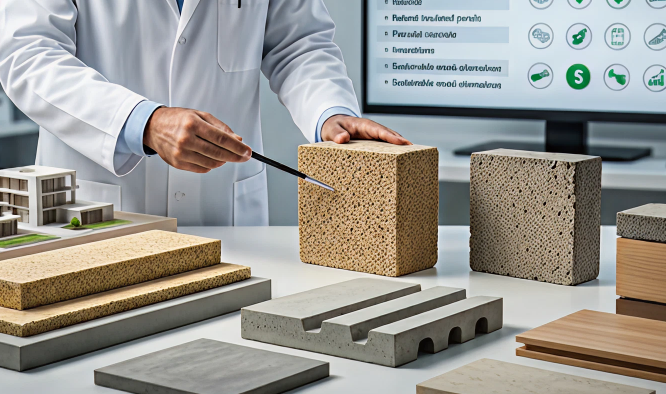
Many project owners aim to reduce construction costs without affecting execution quality or building safety. With the rising prices of some construction materials and services, it has become necessary to manage the budget wisely in order to get the best value from the available amount while maintaining the quality of the essential works that the project depends on.
The truth is that reducing construction costs does not always mean choosing the cheapest solutions. It depends on good planning, making the right decisions at the right time, and choosing materials and contractors carefully. In this article, we review the most important tips that help you reduce costs and achieve the best possible result for your project.
Main Topics in This Article
- Set a clear budget before starting the project
- Choose a practical and suitable design
- Benefit from early project planning
- Compare contractor quotations carefully
- Buy materials at the right time
- Do not save on essential elements
- Reduce modifications during execution
- Choose practical finishing instead of exaggeration
- Benefit from supervision and continuous follow-up
- Use spaces intelligently
- Calculate additional costs in advance
- How to achieve the best balance between cost and quality?
1- Set a clear budget before starting the project
Setting a clear budget from the beginning helps you make more accurate decisions during construction. When the budget is defined, it becomes easier to choose the right design and materials without falling into unnecessary expenses or random decisions that may increase the final cost.
The budget should be divided according to project stages, such as design, permits, structural works, installations, insulation, finishing, and facades. It is also recommended to allocate a part for emergencies so the project does not stop when additional expenses appear during execution.
- Set a spending limit: before choosing the design or materials.
- Divide the budget: according to the different construction stages.
- Track expenses: regularly during execution.
- Allocate an emergency amount: to avoid stopping the project.
2- Choose a practical and suitable design
A practical design is one of the most important factors that helps reduce construction costs, because a complex design requires more materials, more time, and more experienced labor. Therefore, choosing a simple and organized design helps reduce cost without affecting the final appearance or quality of use.
A practical design does not mean that the project is ordinary or unattractive. It means distributing spaces intelligently, reducing unused areas, and avoiding structural and decorative details that do not add real value to the project.
- Avoid excessive complexity: because it increases execution cost.
- Use spaces efficiently: to achieve the highest benefit.
- Choose a harmonious facade: without exaggerating materials.
- Balance beauty and cost: to achieve a suitable result.
3- Benefit from early project planning
Early planning helps you understand all project needs before starting, which reduces interruptions and sudden modifications during execution. The clearer the plan is, the easier and more organized it becomes to manage time, budget, and materials.
Early planning also helps organize work stages, set spending priorities, identify required materials, and prepare the site properly. This reduces waste and prevents purchasing unnecessary materials or executing works that may need modification later.
- Define execution stages in advance.
- Understand all project requirements.
- Reduce interruptions during work.
- Make budget and material management easier.
4- Compare contractor quotations carefully
Do not rely only on the lowest price when choosing a contractor. The cheapest offer may not include all items, may depend on lower-quality materials, or may not include enough supervision. Therefore, contractor offers should be compared based on details, not the final number only.
A good offer should clarify the scope of work, material type, execution duration, payment stages, and how modifications will be handled. The clearer the offer is, the easier the comparison becomes and the fewer surprises appear during execution.
- Request detailed quotations.
- Review the contractor’s previous work.
- Make sure the included items are clear.
- Compare quality before price.
- Check the payment method and execution duration.
5- Buy materials at the right time
Construction material prices may change from time to time, so buying at the right time helps reduce the total project cost. Buying the right quantities also prevents waste or damage caused by long storage or poor use on site.
It is better to organize material purchasing according to execution stages. Not everything should be purchased at once without need, and essential materials should not be delayed until prices rise or work is disrupted.
Important tip: Plan the purchase of main materials at the right time, and review the required quantities with the contractor or supervisor to reduce waste and avoid extra expenses.
6- Do not save on essential elements
You can reduce some costs in finishing or secondary details, but you should never save on essential elements such as foundations, insulation, plumbing, electricity, and the structural frame. These items directly affect building safety and lifespan.
Smart saving does not mean choosing the cheapest option; it means choosing the most suitable option. Therefore, the quality of essential materials should be maintained and executed under good supervision, because any mistake in them may lead to costly problems that are difficult to fix after construction is completed.
- Follow structural specifications.
- Use approved materials in structural works and insulation.
- Do not reduce the quality of plumbing and electricity.
- Choose high-quality installations.
- Consider essential elements a long-term investment.
7- Reduce modifications during execution
Repeated modifications during construction are among the most common reasons for increasing cost. Changing the location of a door, modifying a room, moving a bathroom, or changing the kitchen design may lead to demolition, rework, and buying additional materials, which increases expenses and delays handover.
Therefore, it is better to approve the final drawings before starting work and review all details with the family, designer, or contractor before execution. If a modification is necessary, its cost and impact on the project duration should be known before approval.
- Approve the final design: before starting execution.
- Review details early: to reduce changes during work.
- Ask about modification cost: before approving it.
- Document any modification: with the contractor to avoid disputes.
8- Choose practical finishing instead of exaggeration
Finishing is one of the stages where cost can be controlled intelligently, because it offers many options with different price levels. You can choose practical and coordinated materials instead of exaggerating the use of luxury materials in all spaces.
The most important thing is that the finishing should be suitable for daily use, easy to maintain, and coordinated in colors and materials. You can raise finishing quality in important areas such as majlis rooms, facades, and bathrooms, while choosing economical solutions in less-used spaces.
Well-planned economical finishing
Depends on choosing good materials at a suitable price without focusing on expensive appearances or excessive details.
Practical finishing
Focuses on durability, ease of maintenance, and daily comfort instead of unnecessary decorative exaggeration.
9- Benefit from supervision and continuous follow-up
Good supervision helps detect mistakes early before they become costly problems. It also ensures that agreed materials are used and that works are executed according to drawings and required specifications, reducing the need for rework or future repairs.
Continuous follow-up also helps coordinate different teams on site, such as structural works, plumbing, electricity, insulation, and finishing. This makes work more organized and reduces overlap between stages.
- Follow up execution stages regularly.
- Review material quality before use.
- Make sure drawings are followed.
- Reduce rework caused by mistakes.
- Coordinate teams inside the site.
10- Use spaces intelligently
Using spaces intelligently helps reduce construction, finishing, and future maintenance costs. Every square meter built requires materials, labor, and finishing, so every space should have a real and justified use within the project.
Unnecessary areas can be reduced by distributing rooms practically, combining some uses, reducing long and unused corridors, and relying on a clear design that achieves comfort without unnecessary increases in built-up area.
- Reduce unused spaces: such as long corridors or unnecessary rooms.
- Use every meter: in a way that serves daily use.
- Choose a practical layout: instead of increasing area without need.
- Think about future maintenance: because larger spaces increase ongoing costs.
11- Calculate additional costs in advance
There are additional expenses that some people may not notice when calculating construction cost, such as permit fees, drawings, transportation, waste removal, cleaning, accessories, or some exterior works such as fences and entrances. Ignoring these items may create pressure on the budget later.
Therefore, these expenses should be included in the budget from the beginning, with a suitable emergency reserve. You should also ask the contractor about the items not included in the offer so the full picture is clear before execution starts.
- Permit and drawing fees if applicable.
- Transportation, shipping, and waste removal costs.
- Cleaning and final preparation works.
- Fences, entrances, and outdoor spaces.
- Emergency reserve for small modifications.
12- How to achieve the best balance between cost and quality?
Achieving the best balance between cost and quality depends on proper planning, choosing the right contractor, using suitable materials for the project, and focusing on essential elements without exaggerating optional details. Not every item in the project requires the highest level of materials, but there are items whose quality must be maintained regardless of the budget.
When the project is managed professionally, costs can be reduced significantly without affecting construction quality, comfort of use, or the long-term lifespan of the building. Therefore, working with a specialized party helps you make better decisions and execute the project with greater confidence.
Smart saving
Proper saving should be in adjustable details, not in foundations or essential materials that affect project safety.
Long-lasting quality
Choosing suitable materials and good supervision helps reduce maintenance and achieve a better long-term result.
Are you looking for smart ways to reduce construction costs?
Contact us now for a consultation that helps you plan your project, choose suitable materials, and control the budget professionally to achieve the best balance between quality and cost.