Get Support
123-456-789-10
What factors determine the cost of construction؟
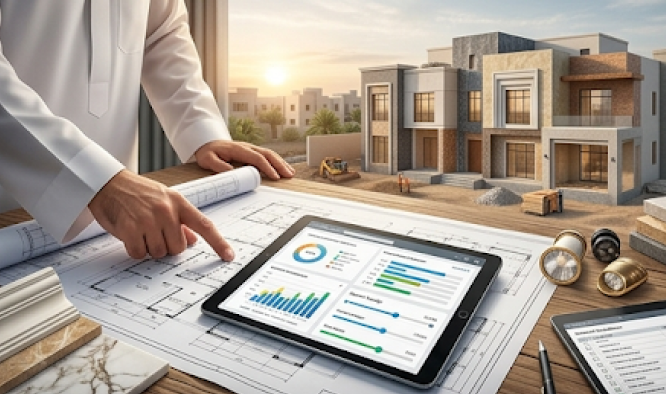
Understanding the factors that determine construction cost is an essential step before starting any residential or commercial project, because construction cost does not depend on one fixed number that suits all projects. Each project has a different nature in terms of area, land condition, design, material level, number of floors, and the required scope of work. Therefore, all details must be studied carefully before setting the budget.
Understanding these factors helps avoid unexpected expenses during execution, compare contractor offers correctly, and choose suitable materials without affecting quality. A clear cost estimate from the beginning gives the project owner better control over the budget and helps execute the construction process in an organized and safe way.
Main Topics in This Article
- What is meant by construction cost?
- Project area and its impact on construction cost
- Land type and site preparation before construction
- Number of floors and its impact on the final cost
- Architectural design and its level of complexity
- Cost of structural works and the building frame
- The required finishing level
- Quality of materials used in construction
- Labor and engineering supervision costs
- Electrical, plumbing, and insulation works
- Additional expenses that affect construction cost
- How to get an accurate construction cost estimate?
1- What is meant by construction cost?
Construction cost refers to the total amount required to execute the project from site preparation until reaching the desired stage, whether it is structural works only, full finishing, or final turnkey delivery. This cost includes materials, labor, equipment, supervision, installations, finishing works, and any additional expenses related to the project.
Construction cost varies depending on the type of project. Building a villa is different from building an apartment building, a small house, or a commercial project. The cost also differs according to the required quality level, the agreement method with the contractor, and whether the price includes materials and labor together or labor only.
- Structural cost: includes foundations and the main building frame.
- Finishing cost: includes flooring, paints, doors, bathrooms, and kitchens.
- Management and supervision cost: helps control execution quality and deadlines.
2- Project area and its impact on construction cost
Project area is one of the most important factors that determine construction cost, because every additional square meter requires more materials, more labor, more time, and additional installations. Therefore, the cost of building a small house is clearly different from the cost of building a large villa or a multi-story building.
You should not rely on land area only when calculating the cost. The actual built-up area, number of floors, annexes, roofs, fences, entrances, and outdoor spaces that need execution or finishing must all be calculated.
- Built-up area: the real basis for calculating the volume of work.
- Number of rooms and bathrooms: affects installations and finishing cost.
- Annexes and fences: should be included in the budget from the beginning.
- Outdoor spaces: may increase cost if they require landscaping and finishing.
3- Land type and site preparation before construction
Land type and site condition directly affect construction cost, because some lands require additional preparation before execution starts, such as leveling, debris removal, filling, deep excavation, or treating certain soil problems.
Soil nature can also affect the type of foundations required. Some projects need stronger footings or special structural solutions according to the soil report and engineering drawings. Therefore, studying the site before pricing helps reduce surprises during execution.
- Preparing and leveling the site before starting work.
- Removing debris or old buildings if present.
- Testing the soil to determine the suitable foundation type.
- Calculating excavation and backfilling works within the budget.
4- Number of floors and its impact on the final cost
The number of floors is an important factor in determining construction cost, because increasing the number of floors means increasing the size of the structural frame, columns, slabs, stairs, installations, insulation, and finishing works. Some multi-story projects may also require stronger structural requirements to ensure safety.
Additional floors also affect execution duration, number of workers, material quantities, and possibly the cost of equipment used for lifting and transportation inside the site. Therefore, the number of floors and annexes should be defined from the beginning so the budget becomes closer to reality.
- One floor: usually simpler to execute and lower in some costs.
- Multiple floors: require more structural works and installations.
- Basement or annexes: may increase cost due to execution complexity.
- Stairs and elevators: are items that should be calculated early.
5- Architectural design and its level of complexity
Architectural design has a major impact on construction cost. A simple and clear design is usually easier to execute and lower in cost, while a design that includes many details, complex facades, large open spaces, or non-traditional shapes requires more time, materials, and accurate execution.
Some designs also require special structural solutions, specific materials, or different finishing methods, which increases the final cost. Therefore, there should be a balance between aesthetic appearance and the available budget, so the design remains beautiful, practical, and executable without exaggeration.
Important note: Good design does not mean complexity or excessive details. It means suitable space distribution and a balanced aesthetic appearance that fits the budget and the nature of use.
6- Cost of structural works and the building frame
Structural works and the building frame represent a large part of construction cost because they include foundations, footings, columns, slabs, walls, concrete, steel, excavation, and backfilling works. This stage is the foundation on which the entire building depends, so it must be executed with high accuracy.
The cost of structural works varies according to project area, number of floors, foundation type, quantity of steel and concrete, and the agreement method with the contractor. The contract may include materials and labor, or labor only, so the offer should be reviewed carefully before signing.
- Excavation, backfilling, and site preparation works.
- Executing footings, grade beams, and columns.
- Pouring slabs and walls according to the drawings.
- Using steel and concrete according to the required specifications.
- Engineering supervision during execution stages.
7- The required finishing level
The finishing level is one of the most influential factors in the final construction cost, because finishing may be economical, medium, or luxury. Each level differs in terms of flooring type, paints, doors, windows, bathrooms, kitchens, lighting, and decorations.
The structural cost may be close between some projects, but finishing cost can vary greatly according to the project owner’s choices. Choosing marble, luxury porcelain, hidden lighting, gypsum ceilings, or modern facades increases the budget compared to simple practical finishing.
Economical finishing
Suitable for limited budgets and depends on practical basic materials with fewer decorative details.
Medium finishing
Balances quality and price, and gives a good result suitable for daily use and an elegant appearance.
Luxury finishing
Depends on high-quality materials and precise details, giving the project higher aesthetic and property value.
8- Quality of materials used in construction
Material quality is one of the main factors that determine construction cost, because it affects project strength, lifespan, finishing appearance, and future maintenance costs. Choosing low-quality materials may reduce the cost at the beginning, but it may lead to bigger problems later.
Special attention should be given to essential materials such as steel, concrete, insulation, plumbing, electricity, and exterior paints. Finishing materials should also be chosen according to the nature of use, because high-use spaces need materials that are more durable and easier to maintain.
- Structural materials: affect building strength and safety.
- Insulation materials: protect the building from moisture and leaks.
- Finishing materials: determine the final appearance and ease of maintenance.
- Good materials: reduce the need for repeated maintenance.
9- Labor and engineering supervision costs
Labor and engineering supervision have a clear impact on construction cost, because execution quality does not depend on materials only, but also on worker skill, execution accuracy, and work stage organization. A good project needs specialized teams and continuous follow-up to reduce mistakes.
Choosing lower-cost labor may seem suitable at the beginning, but it can lead to mistakes that require rework or future maintenance. Good supervision helps control quality, review materials, follow the timeline, and ensure that works are executed according to the drawings.
- Skilled labor reduces execution mistakes.
- Engineering supervision helps ensure commitment to drawings.
- Team coordination prevents overlap between work stages.
- Continuous follow-up reduces unexpected expenses.
10- Electrical, plumbing, and insulation works
Electrical, plumbing, and insulation works are important items that determine construction cost because they affect building quality, safety, and resident comfort. These works may not be visible after finishing, but they are among the most important elements that must be executed with high quality.
Random saving in these items may lead to future problems such as water leaks, weak electrical performance, repeated breakdowns, or high maintenance costs. Therefore, good materials should be chosen, and installations should be executed in an organized way before starting final finishing works.
- Electricity: needs suitable distribution according to daily use.
- Plumbing: should be executed with good materials to avoid leaks.
- Insulation: protects the building from moisture, heat, and water.
- Early planning: reduces breaking and modifications after finishing.
11- Additional expenses that affect construction cost
When calculating construction cost, some people focus only on structural and finishing works and forget additional expenses that may affect the final budget. These expenses may include drawings, permits, soil tests, material transportation, waste removal, cleaning, modifications, or exterior works.
Therefore, it is better to set an emergency financial margin within the budget, especially since some changes may appear during execution. The contractor should also be asked clearly about the items included and excluded from the offer before starting work.
- Drawing or permit fees if required.
- Soil tests and site preparation works.
- Transportation, waste removal, and final cleaning.
- Fences, entrances, and outdoor spaces.
- Modifications or additions during execution.
- Emergency margin and final notes.
12- How to get an accurate construction cost estimate?
To get an accurate construction cost estimate, the project should be studied completely, including the built-up area, number of floors, finishing level, material type, site condition, and required scope of work. The clearer the details are, the closer the cost estimate will be to reality.
A detailed quotation should also be requested from a contractor or specialized company. The quotation should explain the included items, materials used, execution duration, payment method, and any possible additional expenses. This helps you compare offers correctly and avoid decisions based on price only.
Clear project study
Defining spaces, materials, and finishing level helps create a more accurate budget before execution starts.
Detailed quotation
A detailed offer explains items and costs, and helps you know what is included in the price and what may need an additional budget.
Do you want to know the construction cost of your project accurately?
Contact us now to discuss your project details, understand the factors that affect construction cost, and create a clear budget estimate and suitable execution plan before starting.